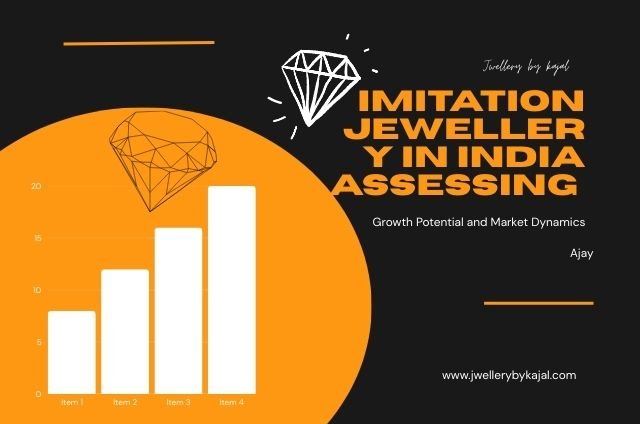
Imitation Jewellery in India Assessing the Growth Potential and Market Dynamics?
Why Are Gold Prices Increasing?
Gold prices in India have seen a steady rise over the past few years. This increase is driven by several global and Indian factors:Substitution effect: Consumers priced out of real gold increasingly buy high-gold-finish imitation jewelry for bridal trousseaux, festival gifting, and everyday wear.Fashion-driven repeat buys: Imitation jewelry is affordable and trend-sensitive and encourages repeat purchases (seasonal styles, influencer trends).Tier-2/3 expansion: Price sensitivity in smaller cities makes imitation jewelry the natural choice; online marketplaces and social commerce accelerate reach
Global Economic Uncertainty
When global markets become unstable (inflation, recession fears, wars, elections), investors move towards gold, increasing demand
Since 2024, institutional demand has increased: gold ETFs and central bank purchases have become significant demand sources—professional investors and sovereign reserves both add structural demand which supports higher prices. Goldman Sachs and other major houses have flagged structural upside
Rising Import Duties in India
India imports most of its gold.Whenever government increases import duty, final gold price increases India’s customs duty on gold was materially reduced in the 2024 budget cycle (basic customs duty down to 6% in 2024/2025), but gold import value rose rapidly afterwards—higher volumes and higher USD prices raised total import bills and contributed to volatility in domestic availability/pricing. Policy changes help reduce smuggling and legal costs, but do not eliminate price pass-through from global markets and currency moves
High Demand During Festivals & Weddings
Weddings, festivals (Diwali/Dhanteras), and gifting cycles drive concentrated spikes in physical demand every year. Combined with macro drivers, these spikes produce upward pressure during key months
Limited Supply & Mining Challenges\
Raw material: Brass & alloy and high-gold plating remain core inputs (your current product mix). Cost rises in base metals or plating inputs can compress margins, but markups vs. gold remain wide. Inventory strategy: Shorter design cycles and high SKU turnover perform better than holding slow-moving inventory that imitates a real-gold classic.
Pricing tiers: Offer clear tiering—budget, mid, premium (high-gold finish)—so customers trade up within imitation rather than to real gold
Practical recommendations for Jwellery by Kajal
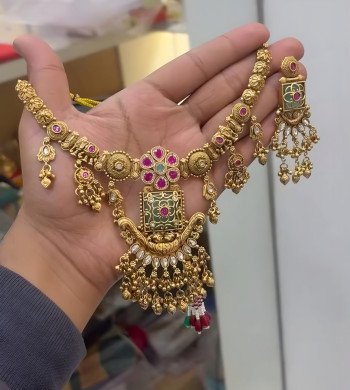
Focus: Bridal high-gold finish sets, Hatth Phool (you prefer that term), mangalsutras with gold-look chains, and lightweight daily-wear gold-look pieces. These have high conversion in price-sensitive segments.
Collections: (a) Bridal premium (high margin), (b) Festival capsule (fast turnover), (c) Everyday gold-look essentials (repeat purchase).
Material callouts: Be transparent—Brass with a high-gold finish—to build trust (you already use this).
Pricing & promotions
Offer a framing strategy: show “cost vs gold” comparisons (e.g., “Get the gold look at 1/20th the price”) to convert hesitant buyers. Festival bundles and limited-edition bridal sets convert well; free/discounted plating renewals as a paid service can be upsold.
Supply chain & procurement
Negotiate bulk plating deals with vendors; keep a rolling 30–60 day stock for trends, but avoid deep inventory for fast-changing SKUs. Explore local/India-based alloy suppliers to reduce forex exposure.
Short forecast (2026–2030)
Expect continued structural demand for imitation jewellery as gold remains expensive relative to incomes. CAGR for India imitation/costume jewellery likely in high single to low double digits (reports vary 6.8% to 11.4% depending on scope & definition). Position your brand for premium imitation & bridal niches to capture higher margins
Consumer Trends Driving Growth
Affordable Luxury Appeal
With rising gold prices making traditional gold jewelry less affordable for everyday use, consumers—especially Millennials and Gen Z—are shifting to imitation jewelry because it offers fashionable designs at low prices. Buyers can own many pieces for different outfits/occasions. It responds to the “affordable luxury” trend—looking premium without heavy cost. Escritores de EsPoesía
🔹 Urban Lifestyles & Online Retail
Rapid urbanization and online shopping growth mean consumers prefer easy digital purchasing, virtual try-ons, doorstep delivery, and trend-led designs.
Escritores de EsPoesía
🔹 Social Media & Fashion Influencers
Instagram reels, Pinterest trends, and TikTok formats influence jewelry trends fast, increasing demand for new styles—something imitation jewelry excels at due to quick design cycles.
Conclusion: The Future of Imitation Jewellery in India (2026 & Beyond)
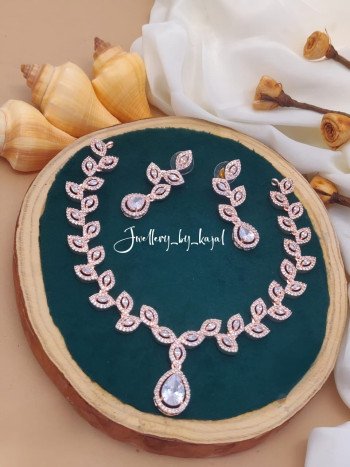
The future of India’s imitation jewellery market is extremely promising. With gold prices rising, lifestyle preferences evolving, and online shopping becoming the new norm, consumers are rapidly shifting toward affordable yet premium-looking jewellery options. By 2026, imitation jewellery will no longer be considered a secondary choice—it will become a main fashion category, driven by trends, influencers, and India’s booming wedding and festival economy.
Brands that focus on high-gold finish designs, fresh weekly collections, strong online presence, and social media marketing will dominate the market. Demand will especially increase in Tier 2 and Tier 3 cities, where customers want the gold look but at a practical price.
For sellers like Jwellery by Kajal , this is the perfect opportunity to expand, launch new collections, and capture a fast-growing segment. The next few years will belong to brands that combine style, affordability, and trust.
In short:
👉 Imitation jewellery is the future.
👉 2026–2030 will be a golden era for high-gold finish and fashion jewellery businesses